-
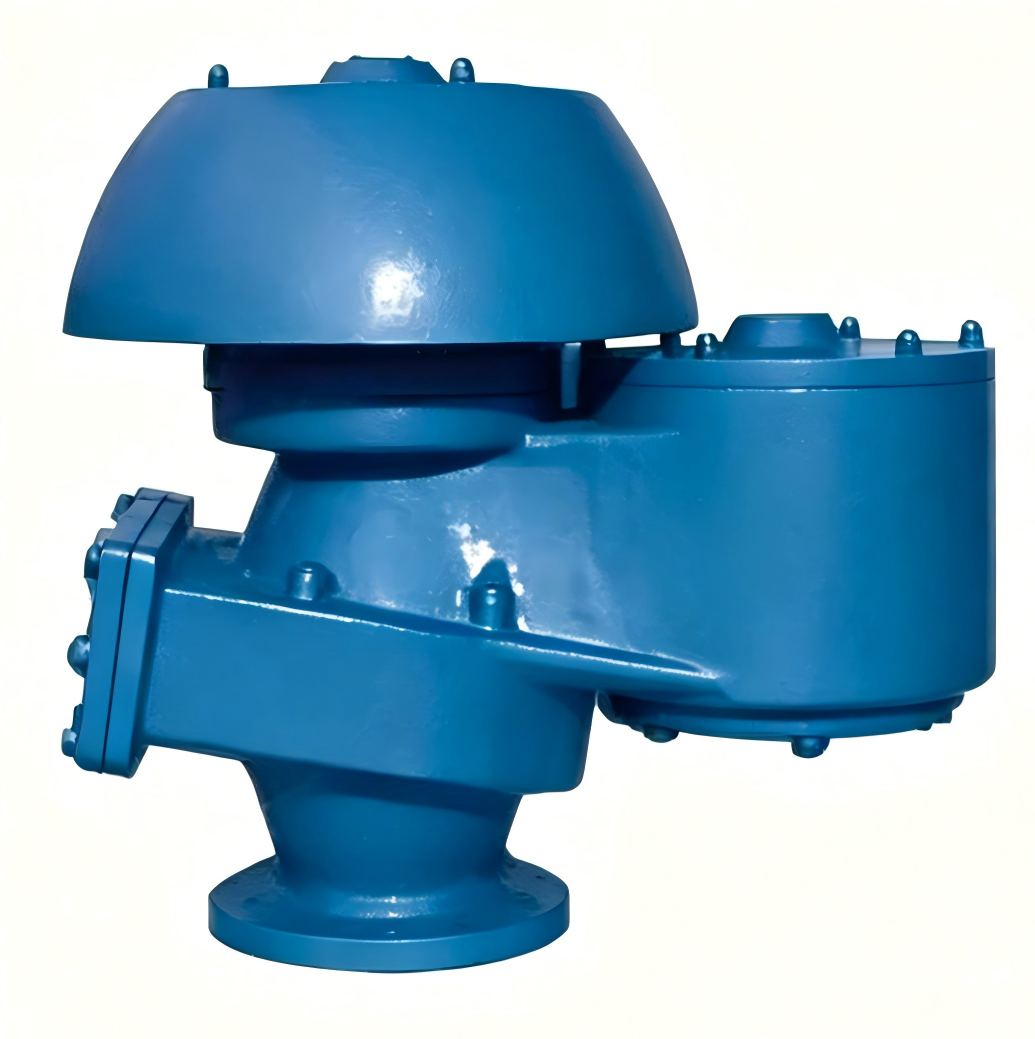
QZF-89 all-weather fire and explosion proof breathing valve
-
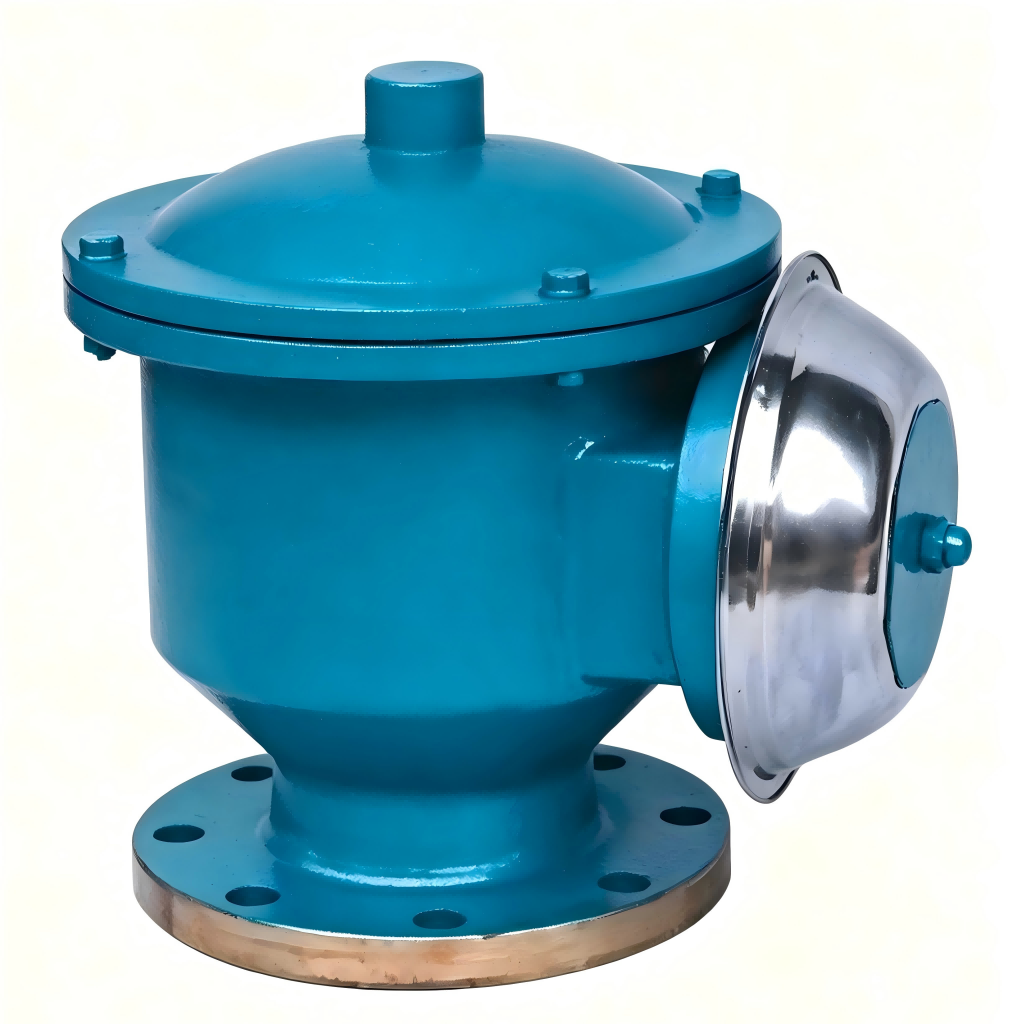
ZFQ explosion-proof flame arrester breathing valve
-
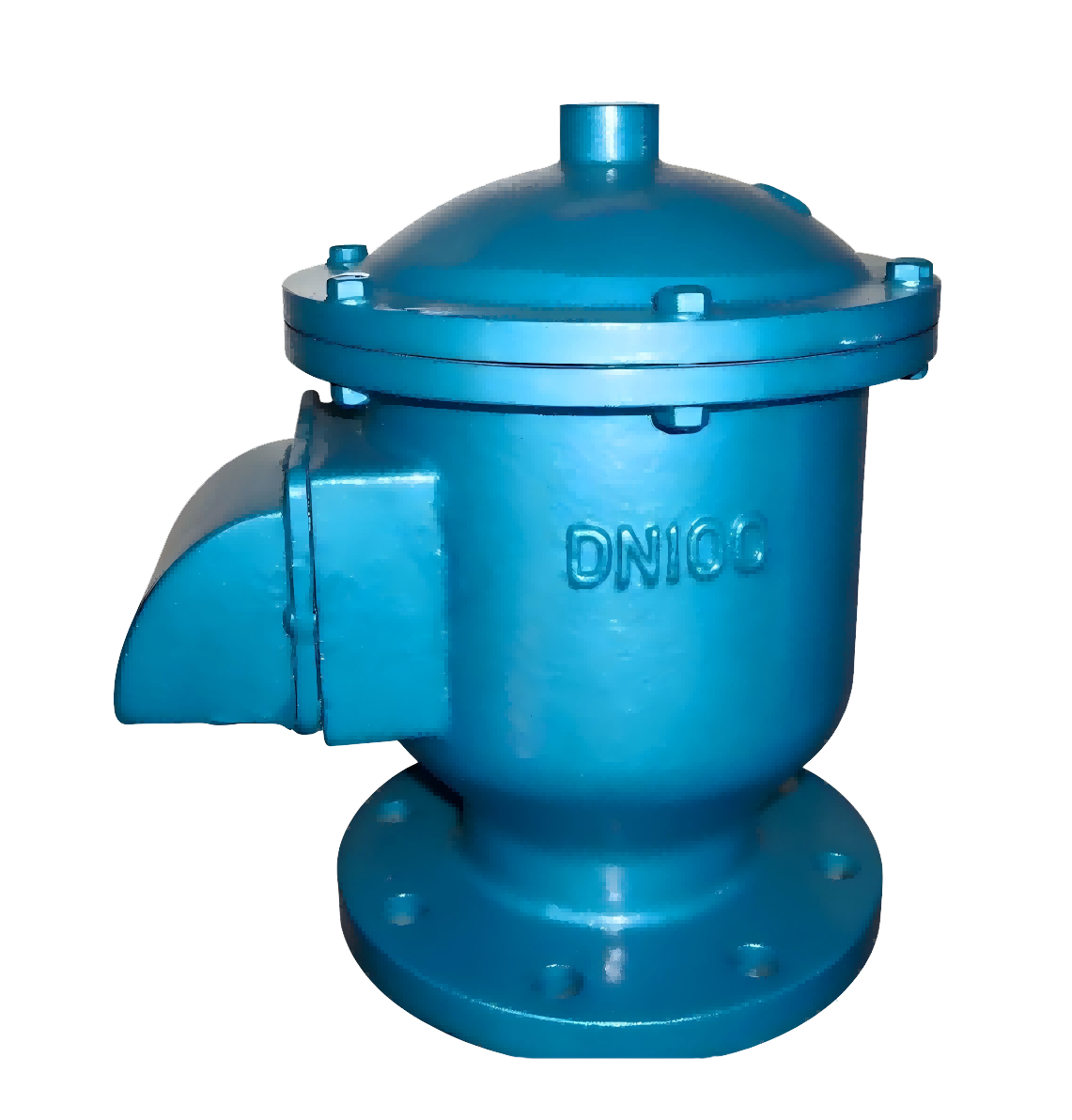
GFQ All‑Weather Breather Valve
-
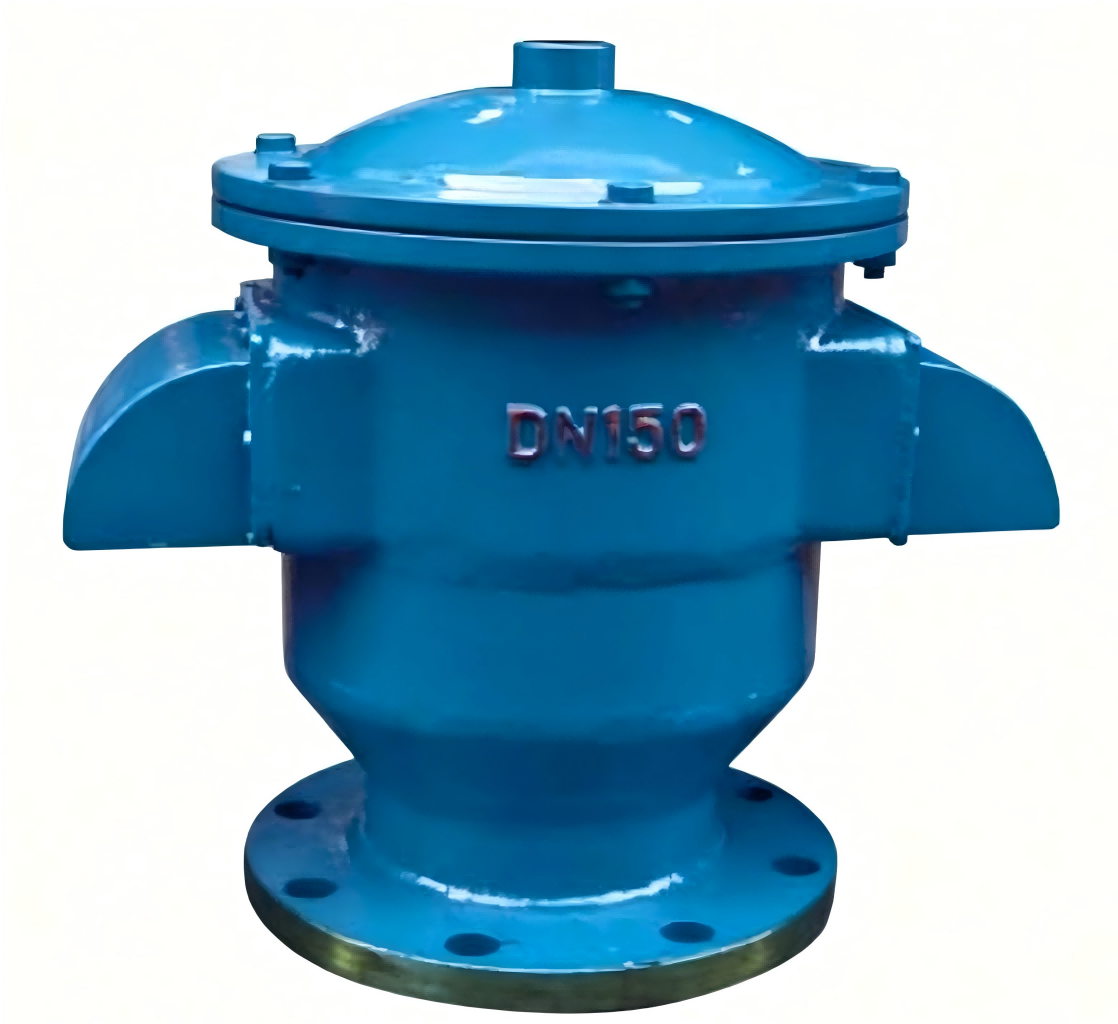
HX and HXF-1 dual-nozzle breathing valve
-
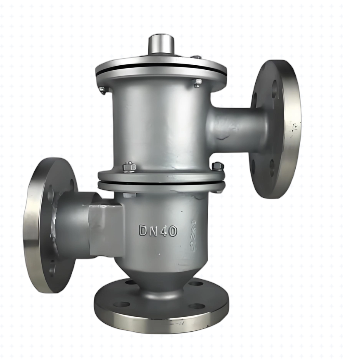
HX2 and HXF2 dual-connection flame arrester breather valves
-
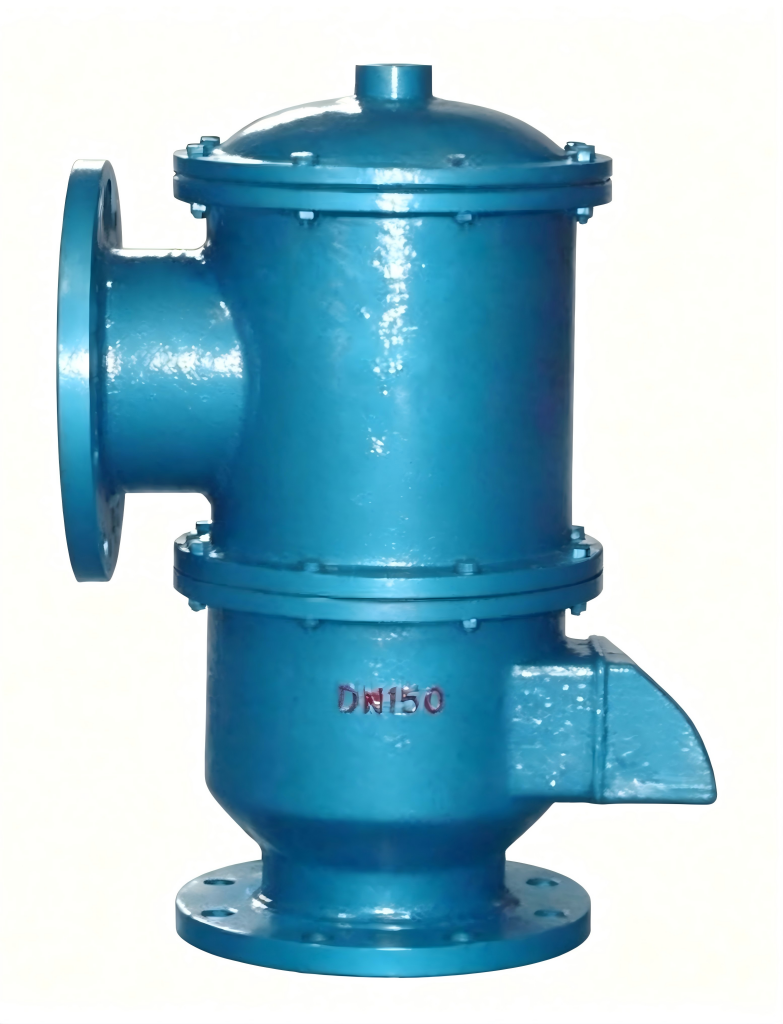
HX3 and HXF3 breathing valves with suction connection
-
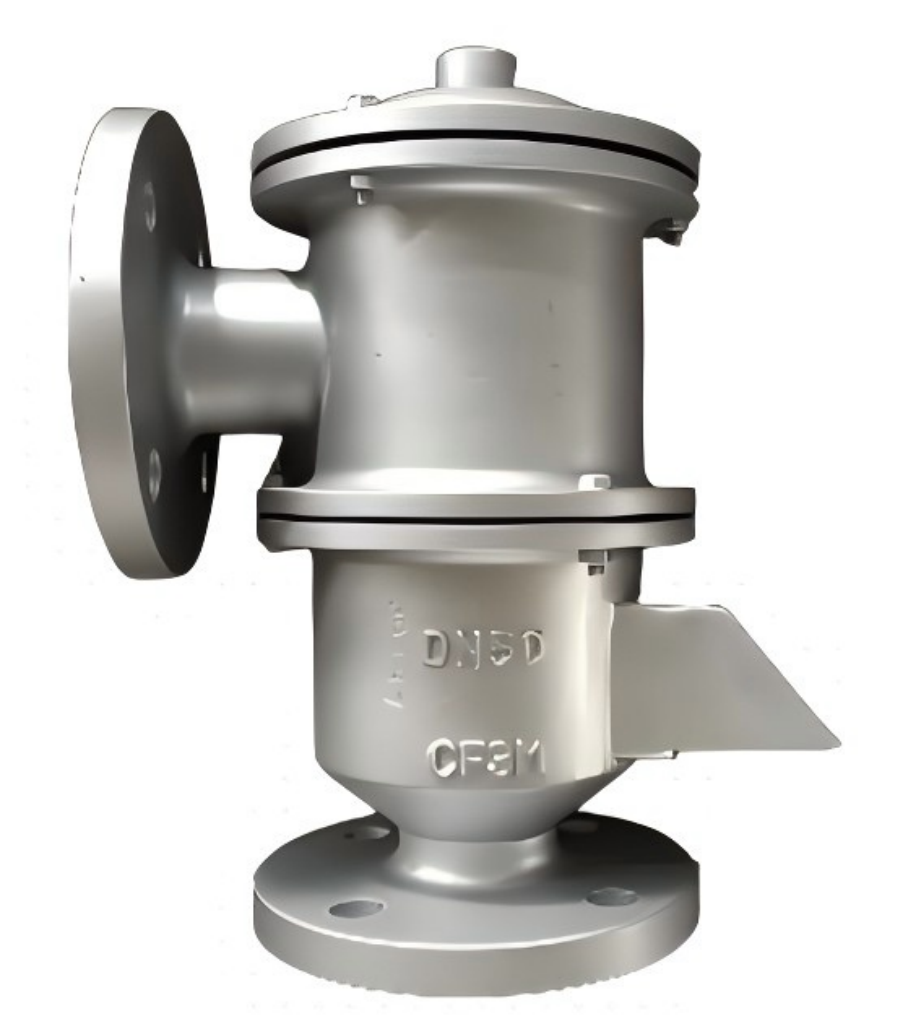
HX-4 and HXF-4 flame arrester breathing valves with dual connection pipes
-
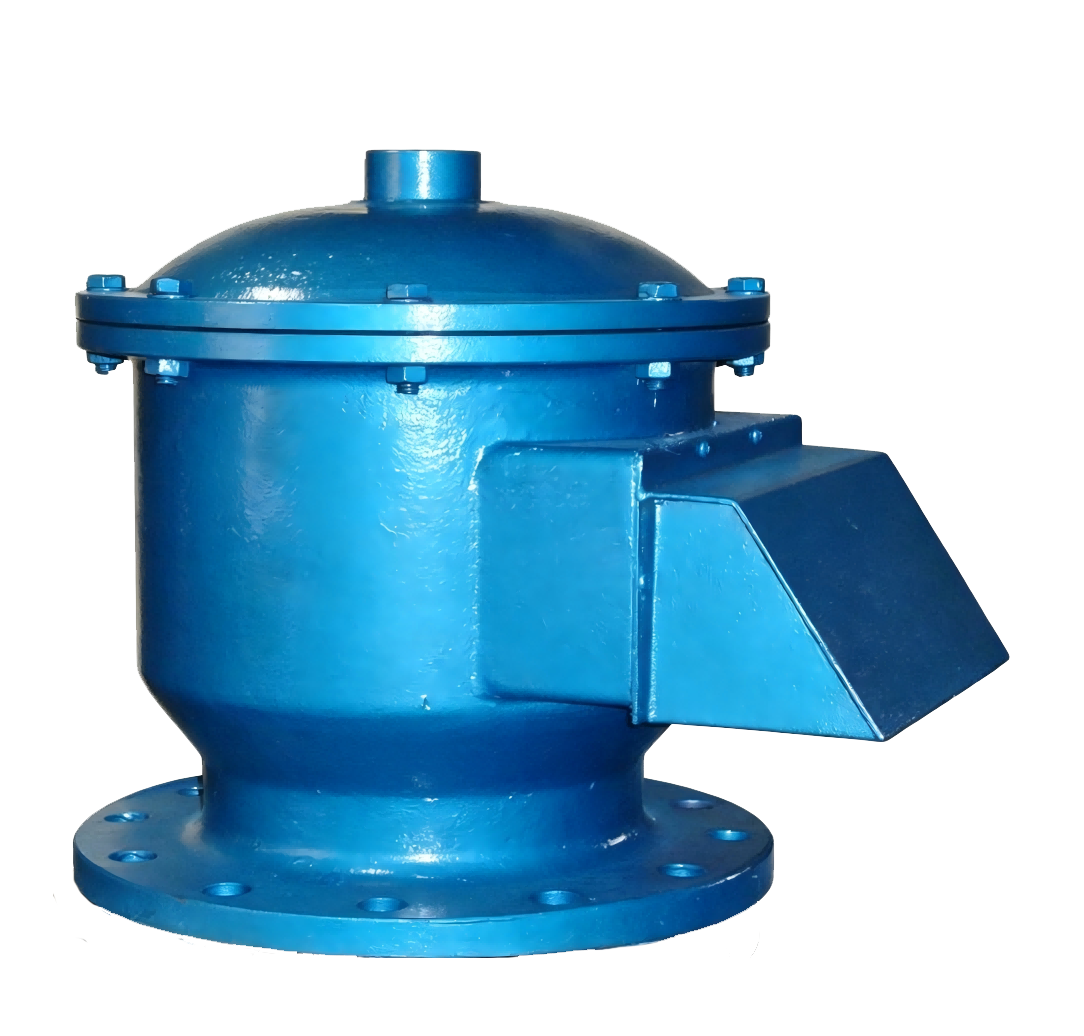
HX5 and HXF5 single exhaust valves
-
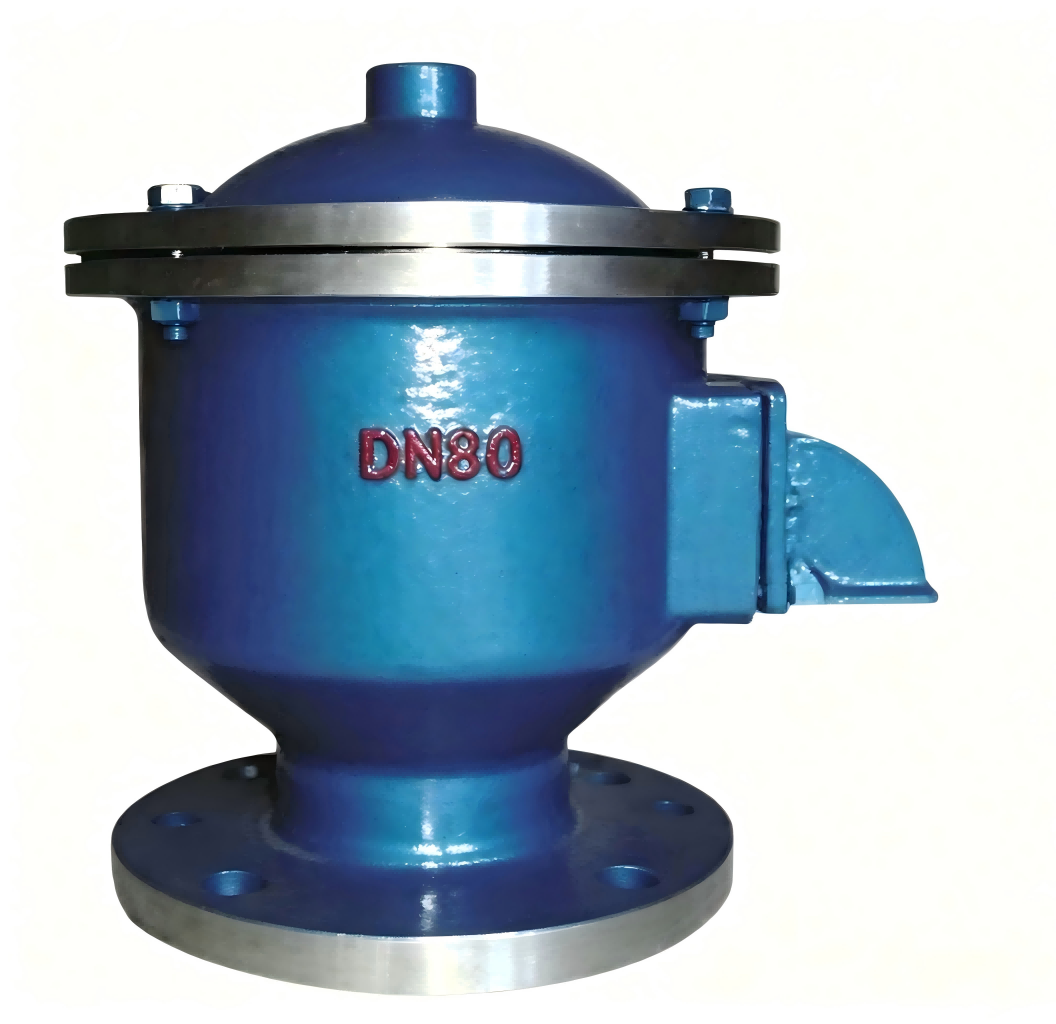
HX6 and HXF6 single exhaust valves
-
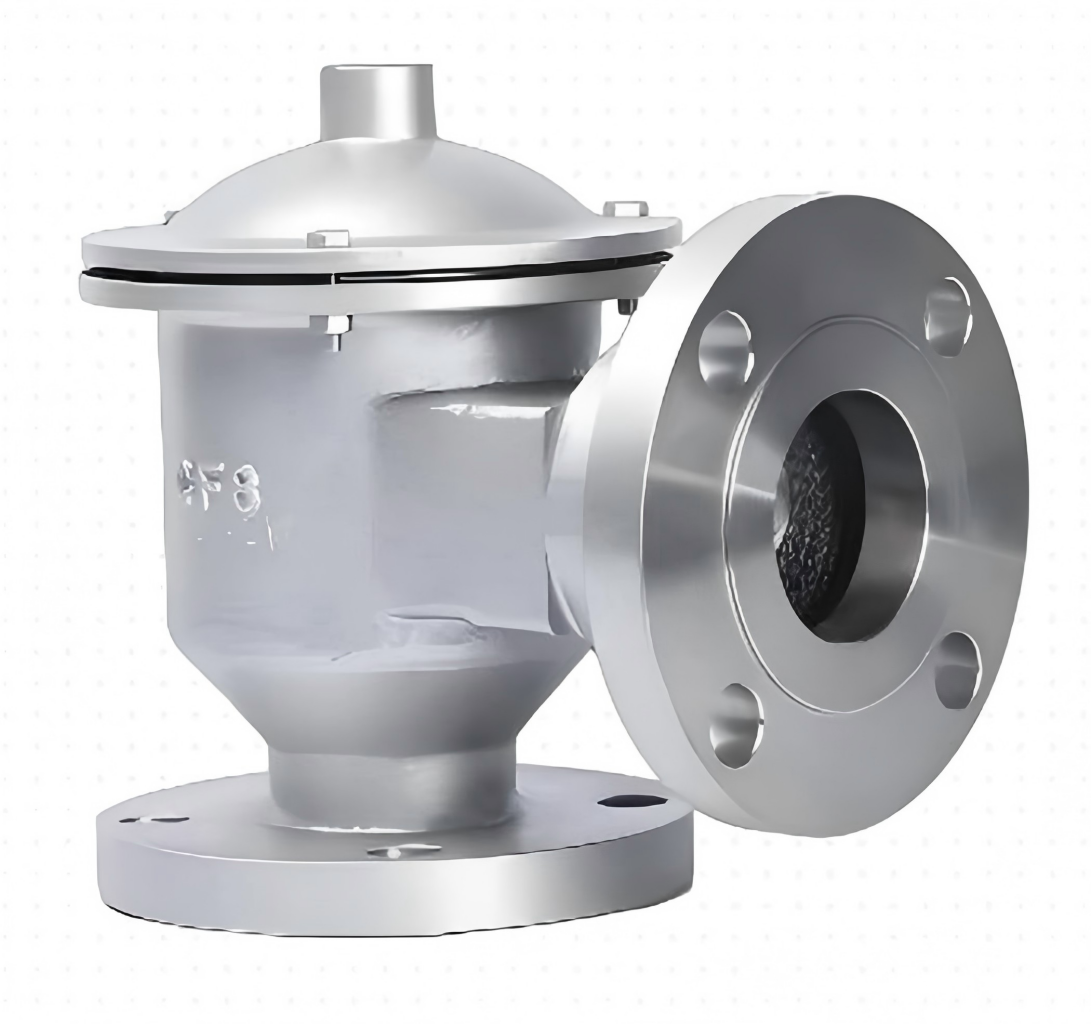
HX7 and HXF7 flame arrester single exhaust valves with pipe connection
-
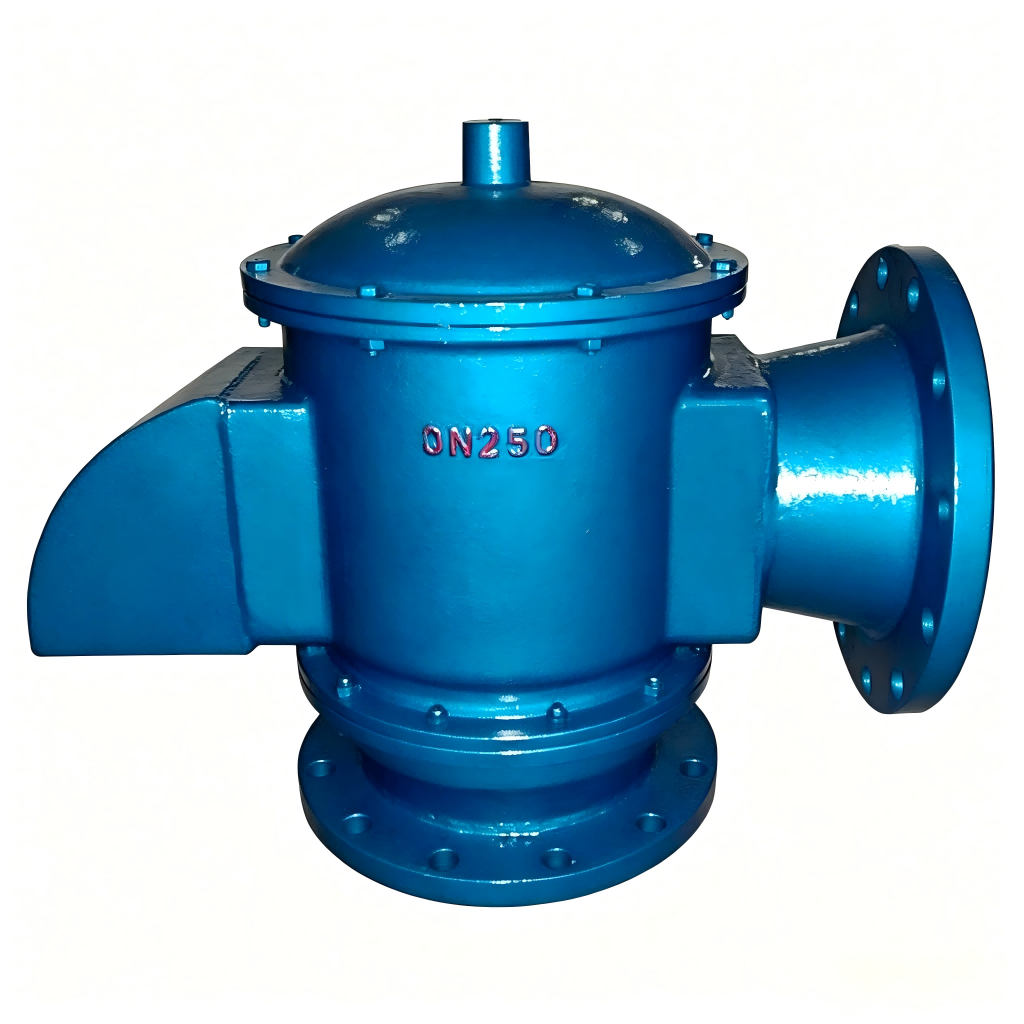
HX8 and HXF8 flame arrester single intake valves with pipe connection
-
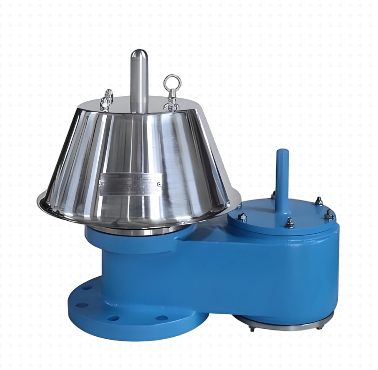
QHXF-89 all-weather breathing valve
-
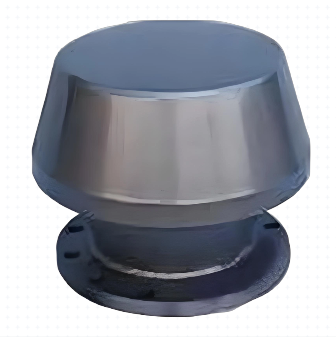
GHF-1 Explosion-Proof Fire-Safe Breather Valve
-
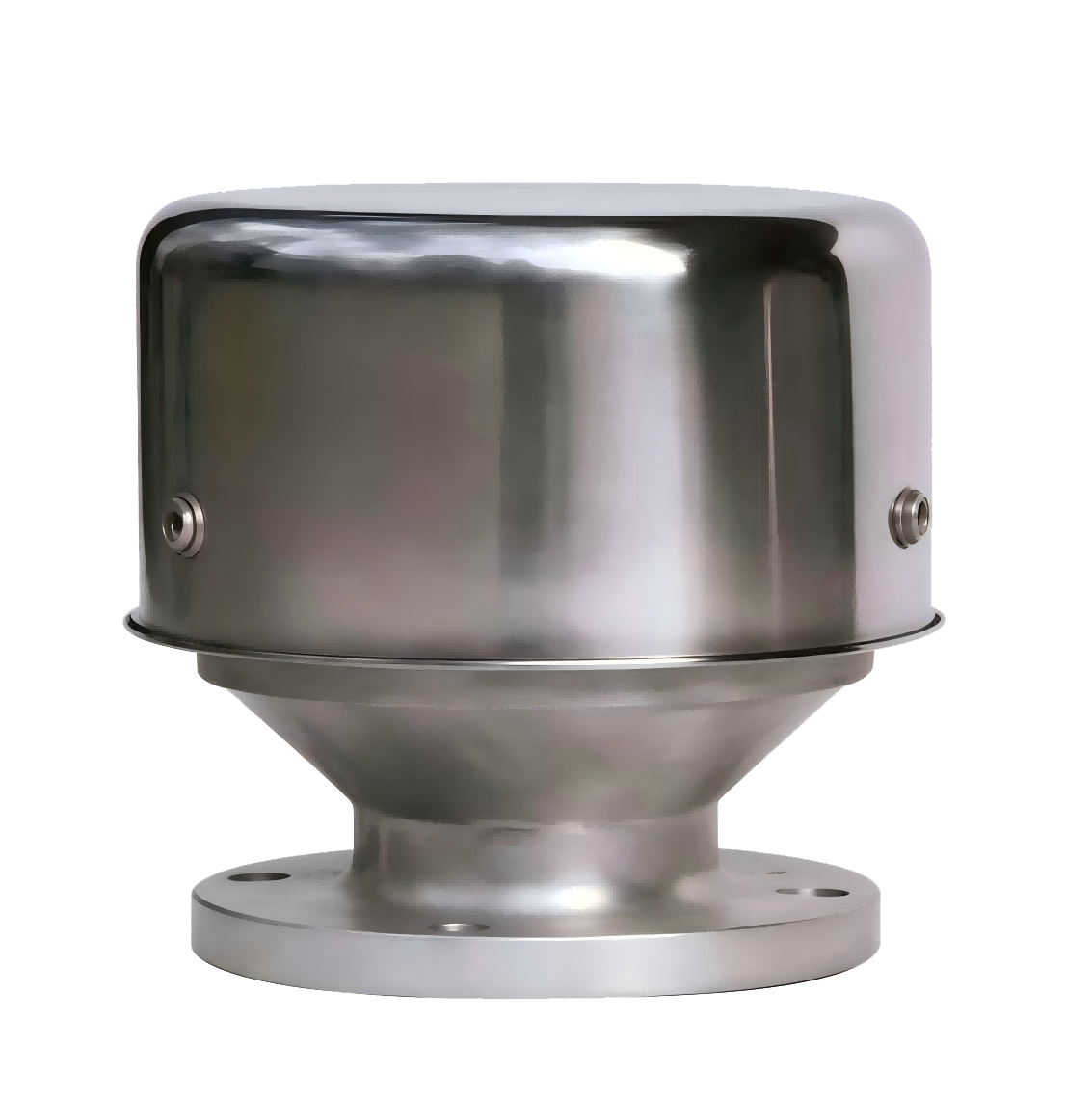
FZT-1 flame arrester vent cap
-
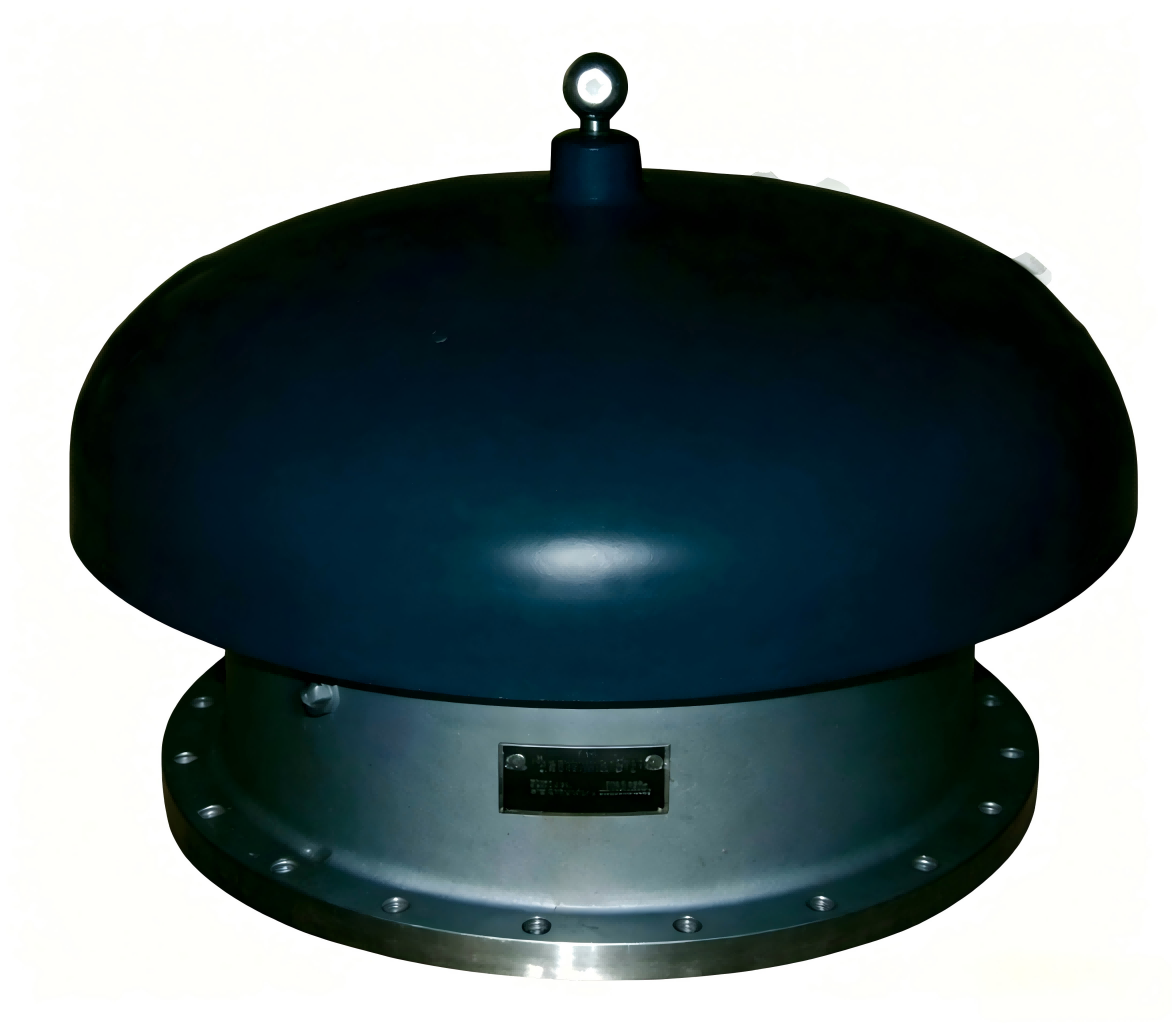
XYXA breathing manhole
-
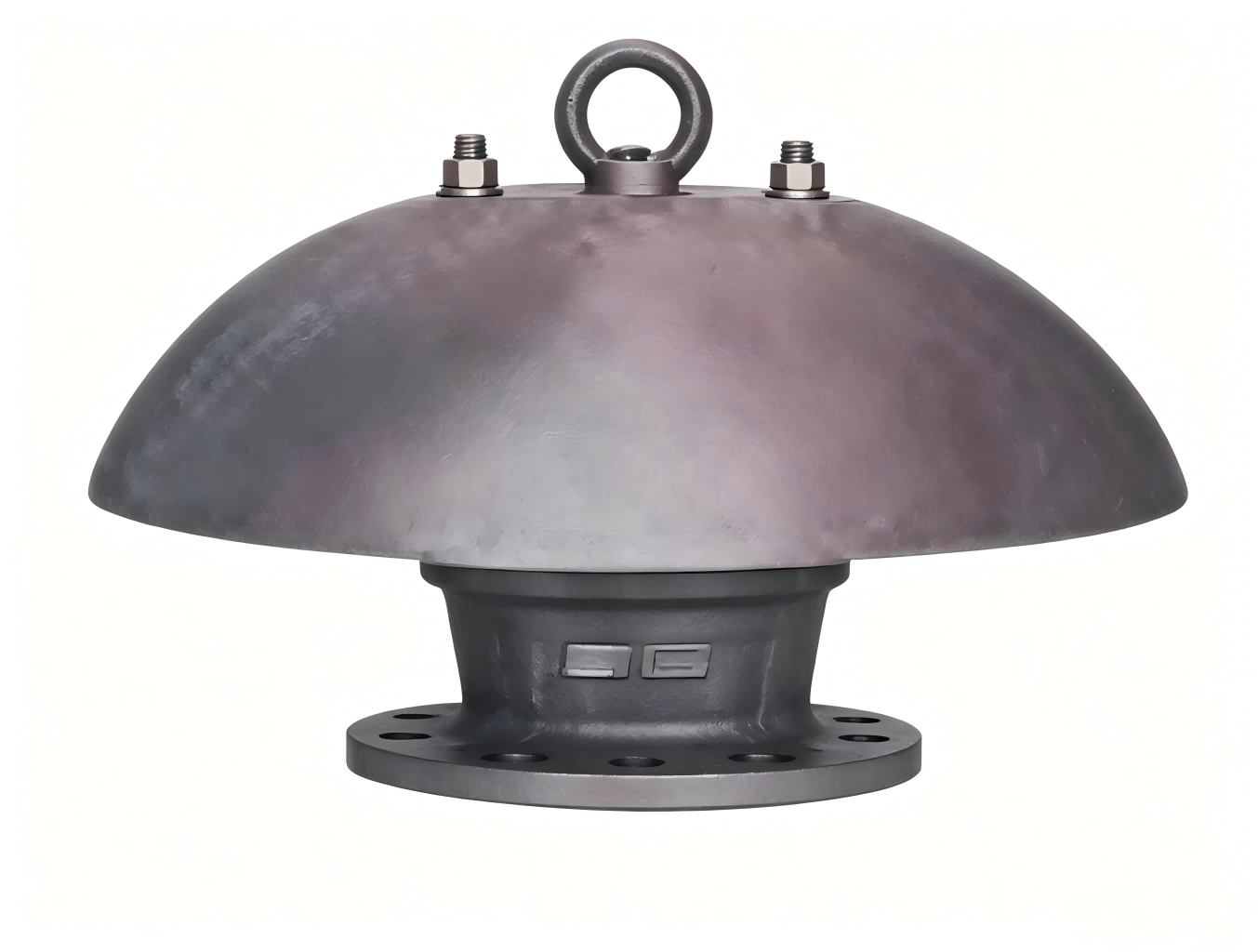
GTQ vent pipe
-
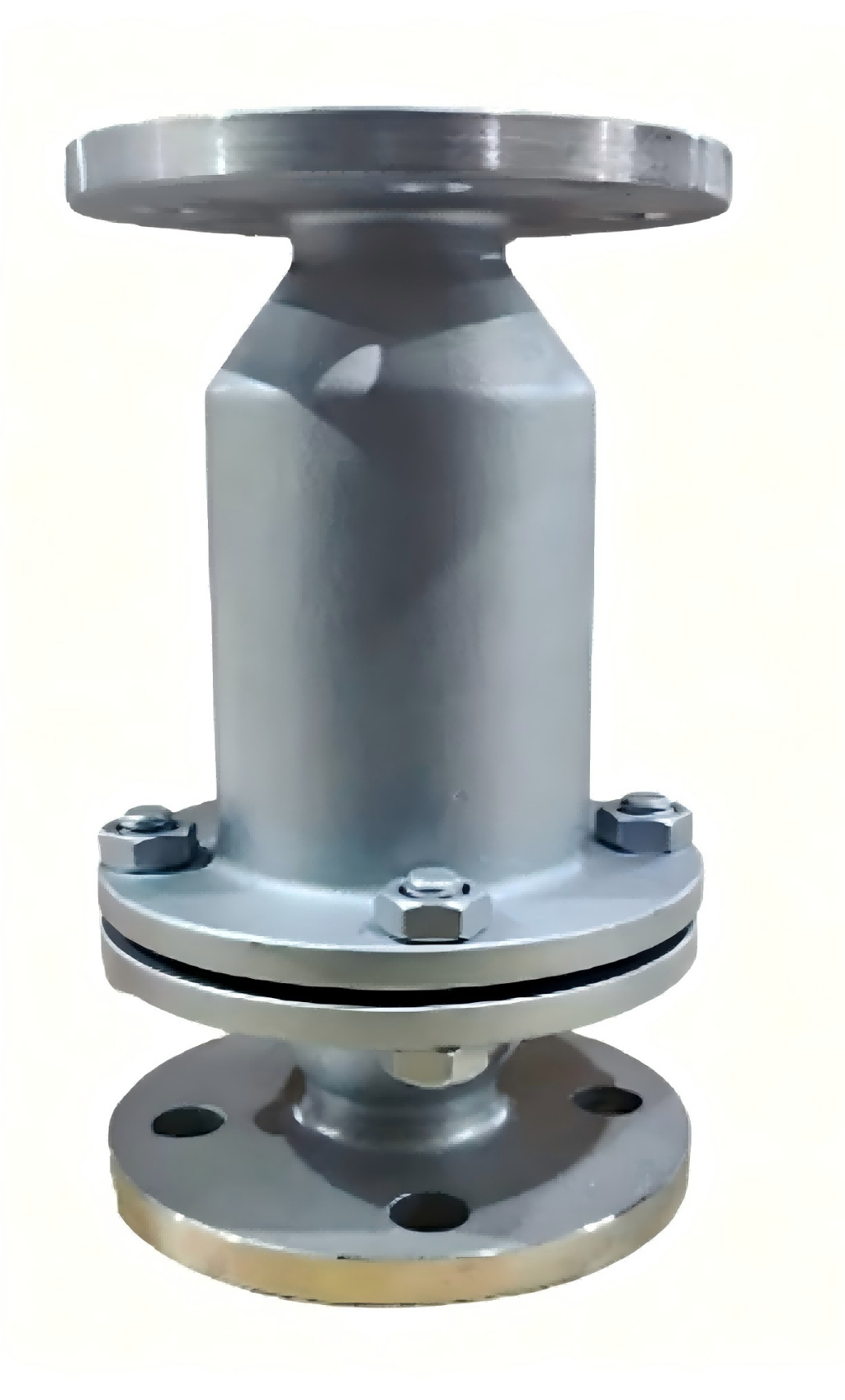
ZHQ-I gravel flame arrester
-
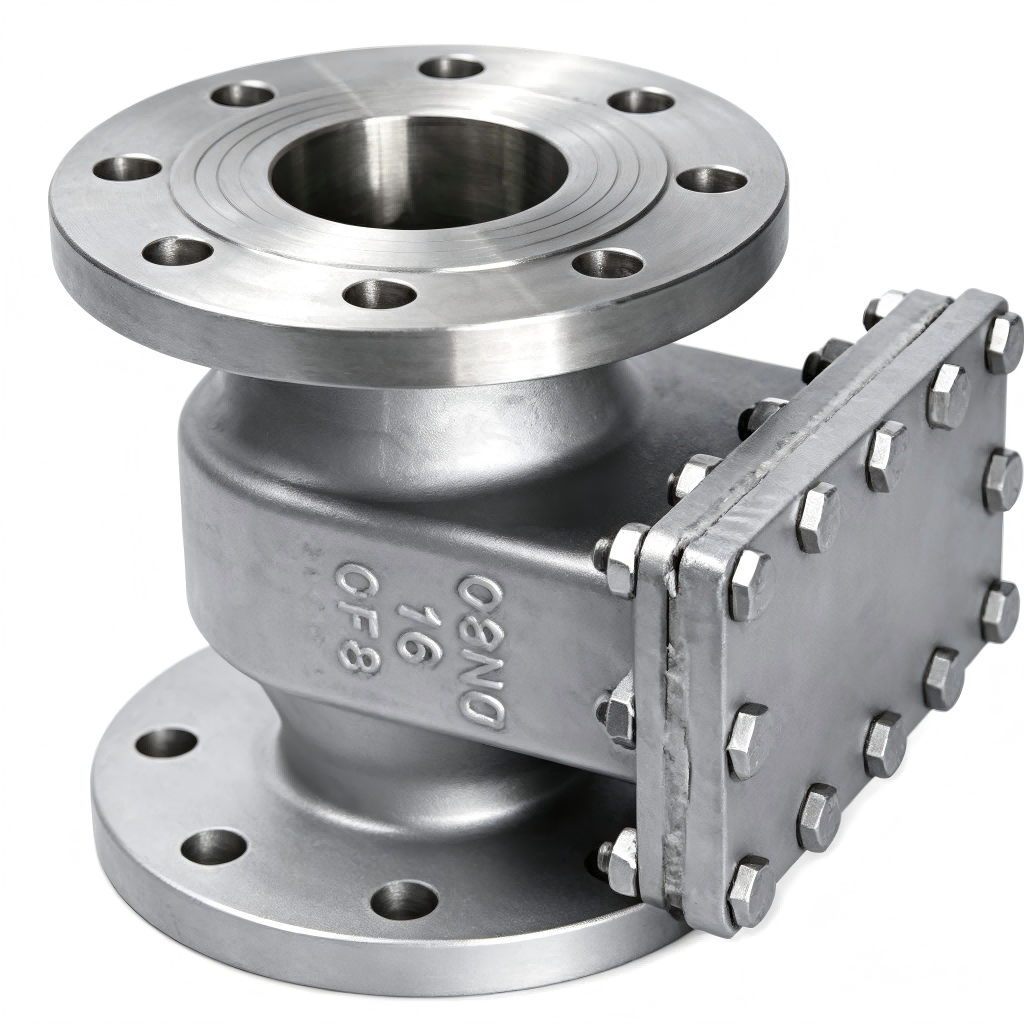
ZGB-II drawer type corrugated flame arrester
-
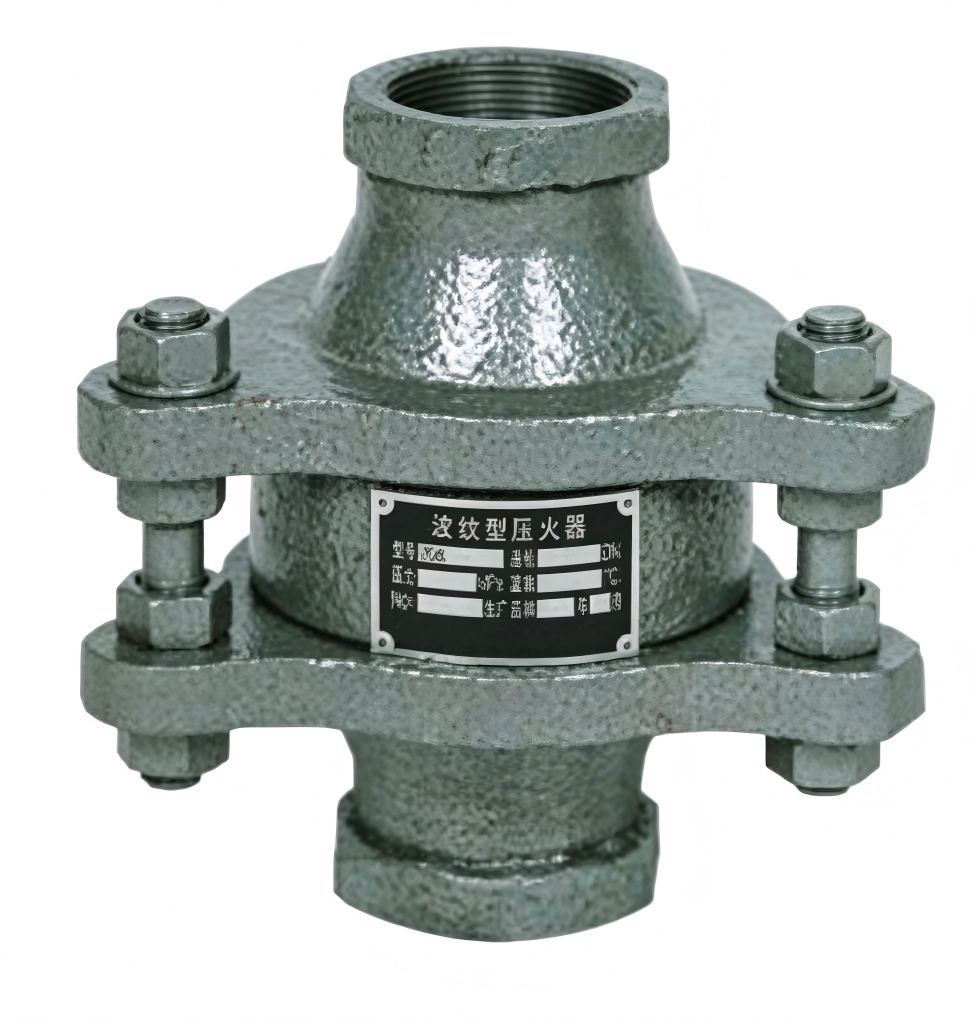
ZGB-III threaded flame arrester
-
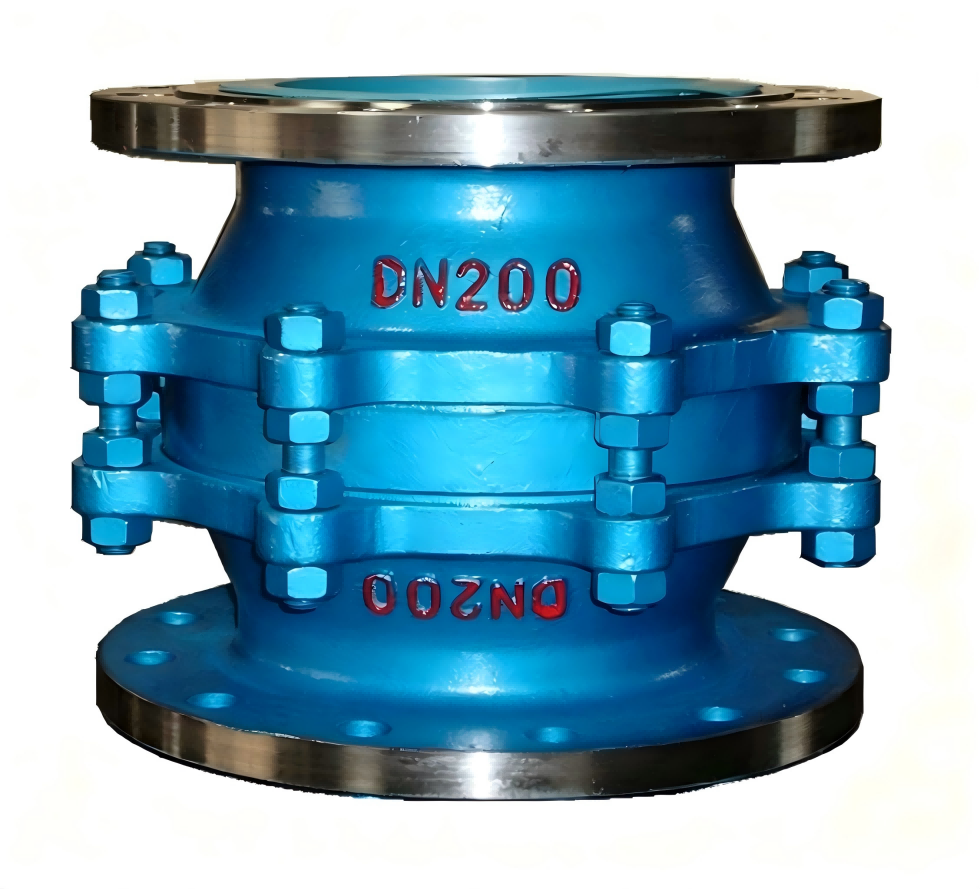
ZGB-1 tank corrugated flame arrester
-
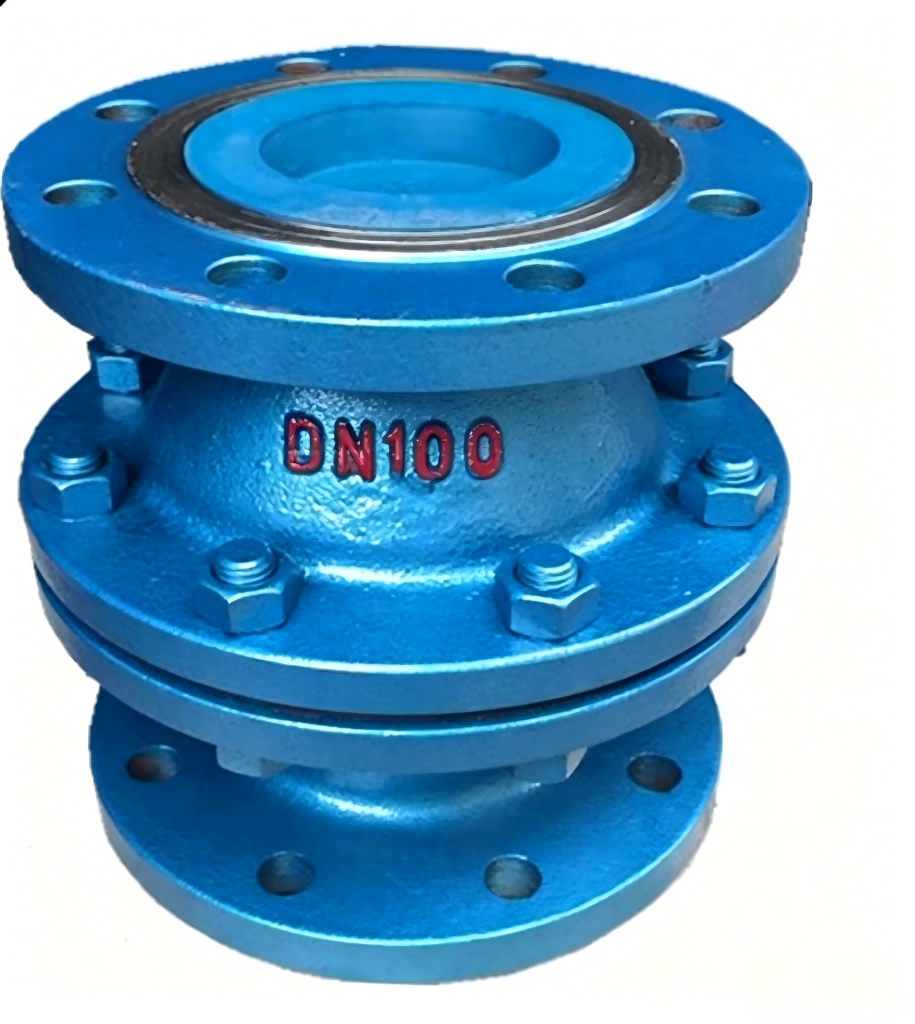
GZW-1 deflagration type pipeline flame arrester
-
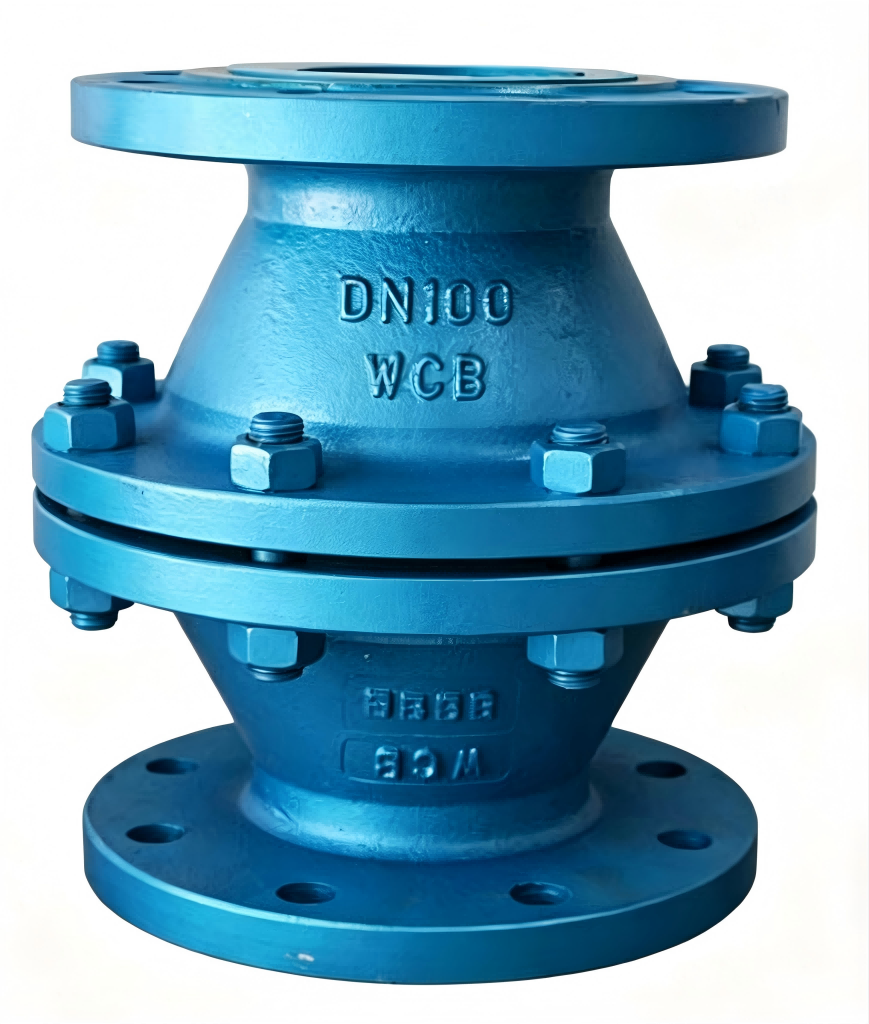
HGS07 pipeline wire mesh flame arrester
-
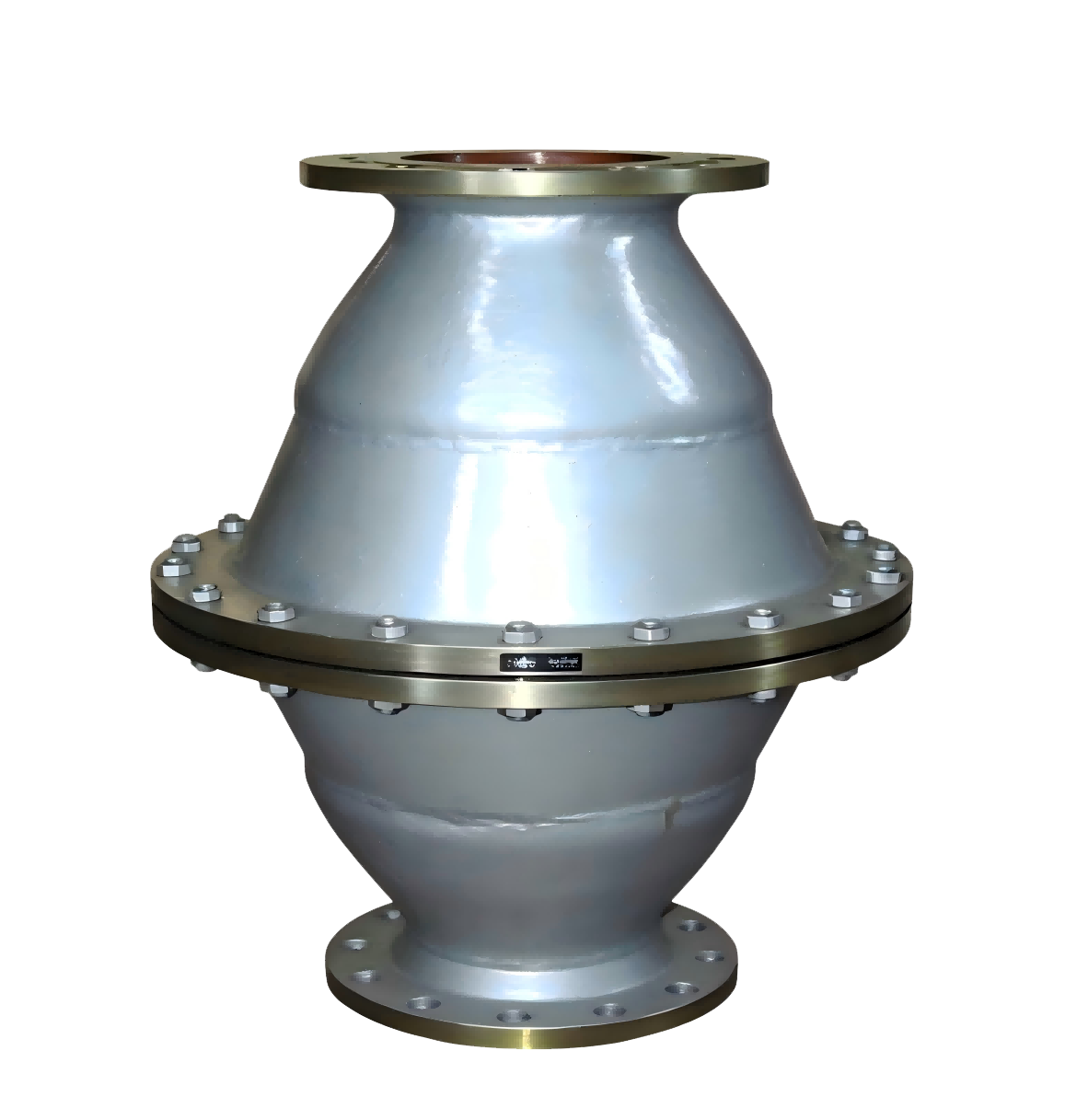
FPB gas flame arrester
-
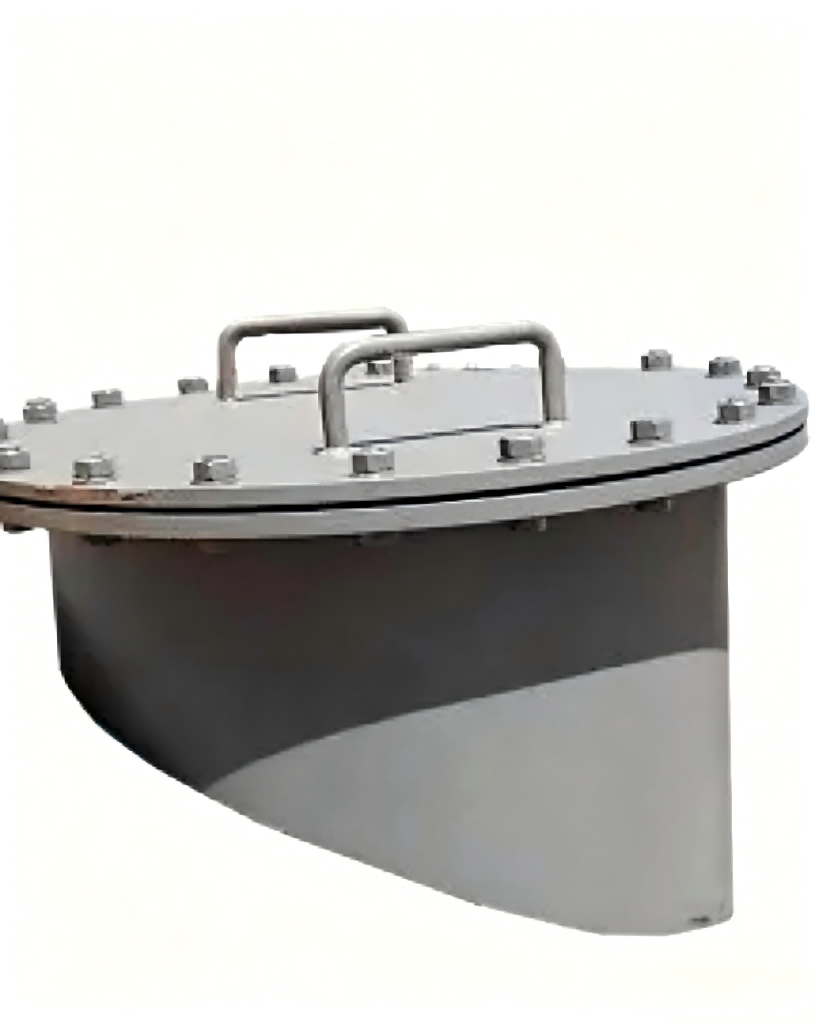
TGK type light-transmitting manhole
-
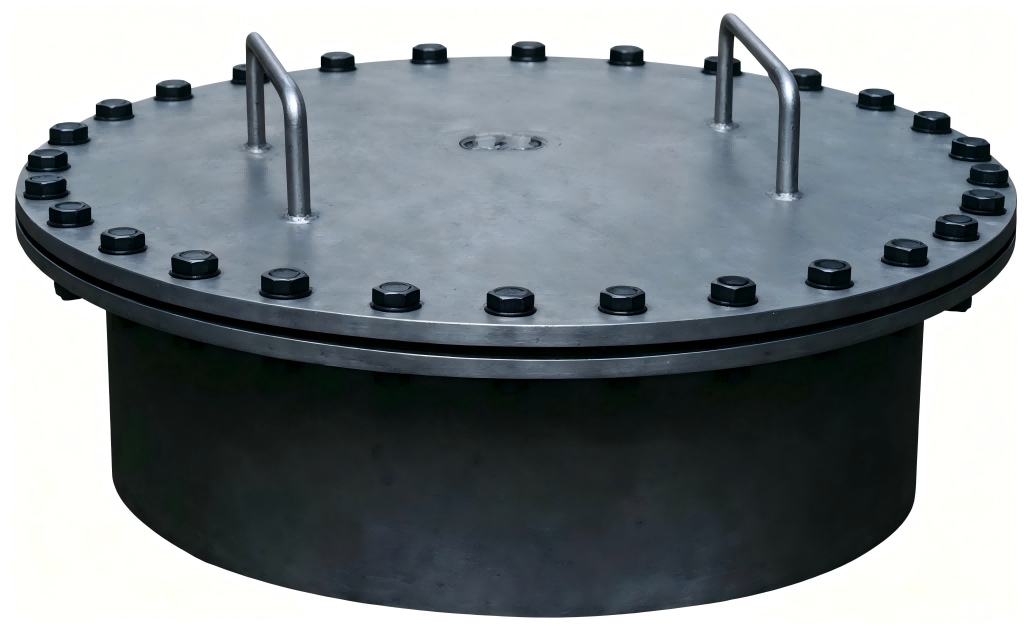
GRK type tank wall manhole
-
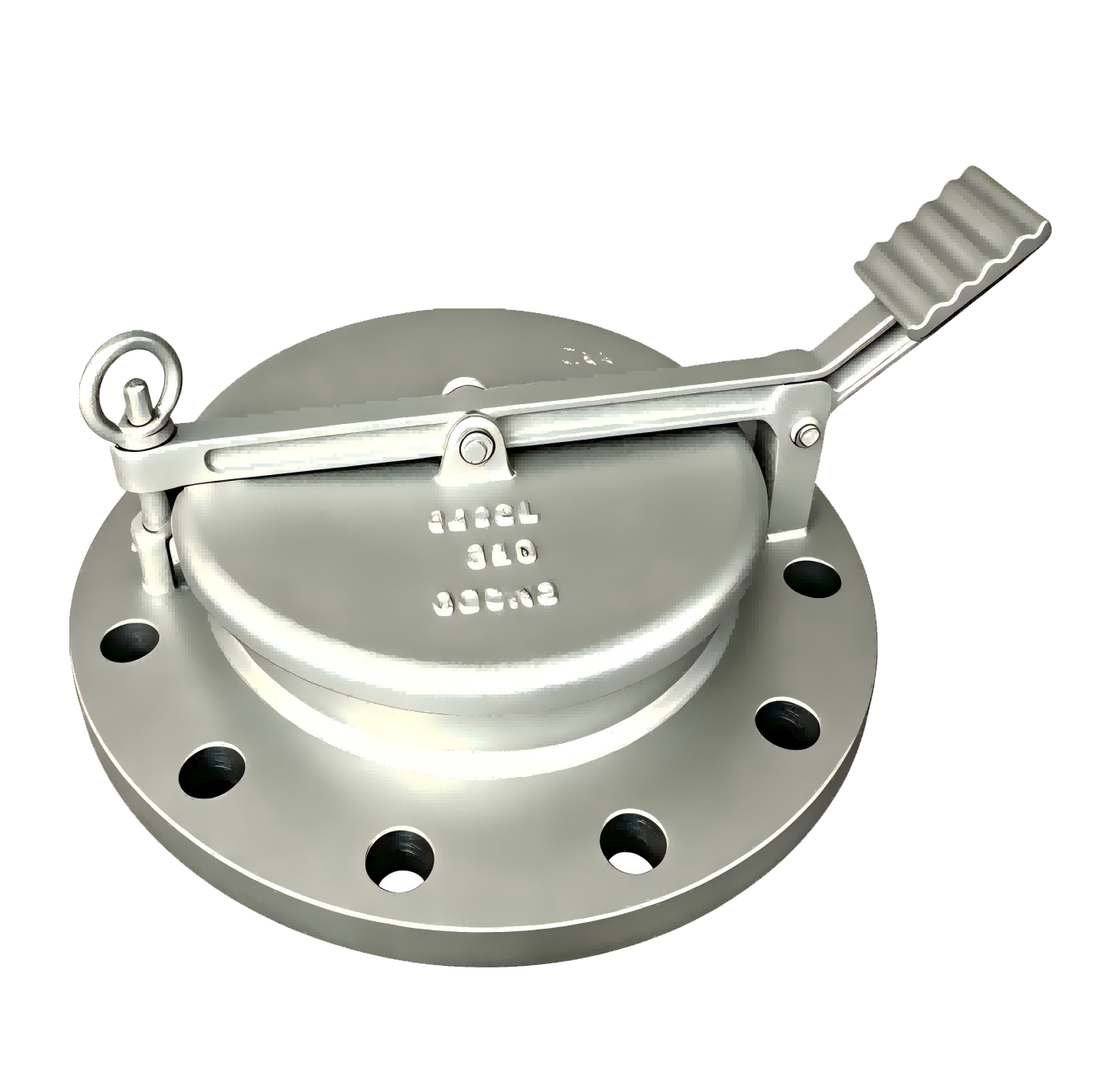
GLY-150 foot-operated gauging hatch
-
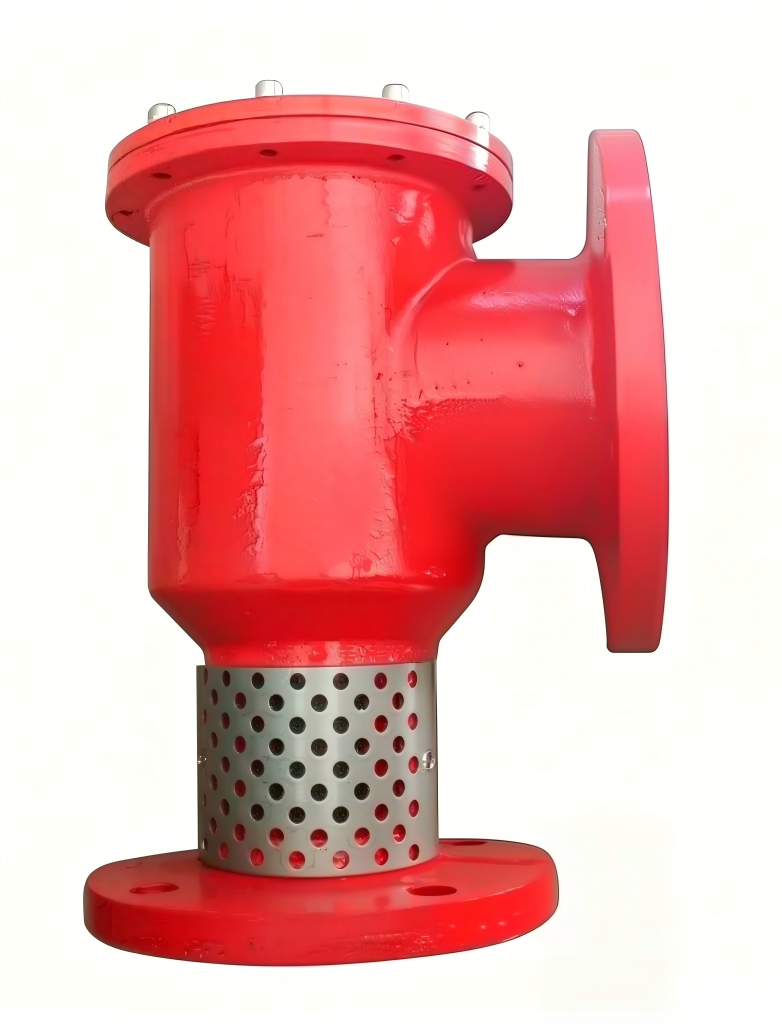
Air foam generator
-
More air valve>>
-
More valve>>